
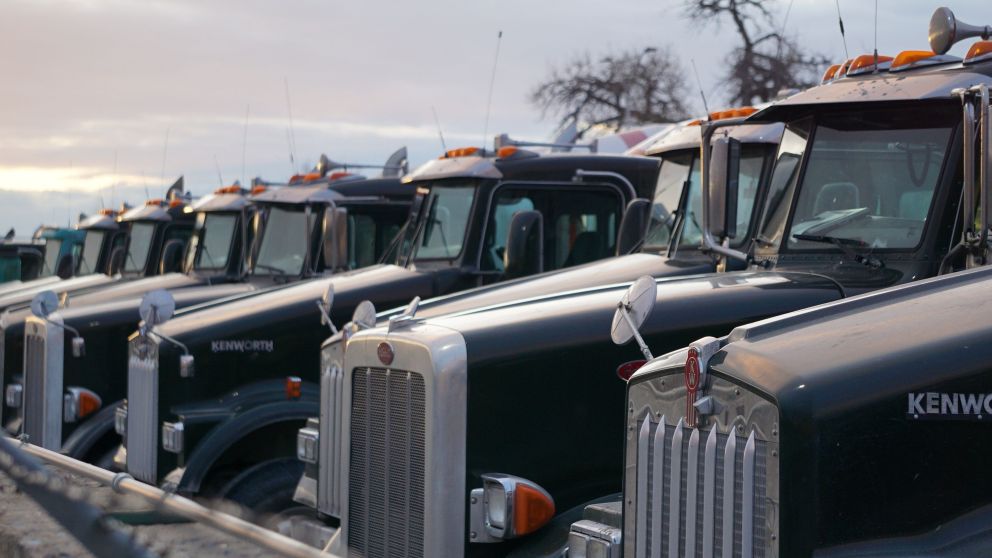
Whether you're replacing aging work trucks, reducing the size of your fleet, or disposing of surplus vehicles, selling company-owned vehicles is an important part of managing your business assets.
For many businesses, a fleet can include pickup trucks, cargo vans, utility vehicles, trailers, SUVs, and other vehicles used in daily operations. Over time, business needs change. Vehicles accumulate mileage, maintenance costs increase, and equipment that once served an important purpose may no longer be necessary. When it's time to sell, business owners and fleet managers have several options. The right approach depends on the number of vehicles, their condition, your timeline, and how much time your team can devote to the selling process.
For businesses looking to sell one or multiple vehicles, an auction can provide an alternative to managing individual private sales. Here's what to consider when selling company vehicles and fleet trucks.
1. Determine Which Vehicles Are Ready to Sell
Before choosing a selling method, review your current fleet and identify the vehicles you no longer need.
Common reasons businesses sell vehicles include:
- Replacing older trucks or vans with newer models
- Reducing fleet size to match current operations
- Retiring vehicles with increasing maintenance costs
- Closing or relocating a business location
- Eliminating duplicate or underused vehicles
- Selling surplus vehicles after a company restructuring
- Disposing of vehicles that no longer fit operational needs
Start by creating a list of the vehicles you plan to sell. Record the year, make, model, mileage, vehicle identification number (VIN), general condition, and any known mechanical issues. This information can help you organize the inventory, evaluate selling options, and prepare for the transaction. It's also helpful to gather available maintenance records, ownership documents, and other relevant paperwork before the selling process begins.
2. Understand Your Vehicle Selling Options
Once you've identified the vehicles you want to sell, consider the different ways to bring them to market.
Trade-In or Dealer Sale
Trading in a vehicle may be convenient if you're purchasing a replacement. Depending on the dealer and the vehicle, this option may reduce the time and effort involved in finding a buyer. However, a trade-in may not be the best fit if you're selling several vehicles without purchasing replacements. It's worth comparing offers and understanding the terms before making a decision.
Private Sale
Selling directly to an individual or business can give you control over the asking price and negotiations. However, it also means managing advertising, inquiries, inspections, negotiations, paperwork, payment, and pickup. When selling a single vehicle, these tasks may be manageable. When selling an entire fleet, they can become much more time-consuming.
Auction
An auction offers another way to sell company vehicles and fleet trucks. Rather than negotiating separately with each prospective buyer, you can consign eligible vehicles to an auction company that coordinates the sale process according to the agreed terms. Online bidding can also allow buyers to participate from outside your immediate area, potentially expanding the pool of interested bidders. An auction isn't guaranteed to produce a particular price, and the best selling method depends on the vehicles and your circumstances. Comparing the available options can help you decide which approach makes the most sense.
3. Consider the Value of Your Fleet Vehicles
A vehicle's age and mileage matter, but they aren't the only factors that influence its potential resale value.
Other considerations may include:
- Make, model, and configuration
- Overall mechanical and cosmetic condition
- Maintenance history
- Engine, drivetrain, and other specifications
- Vehicle use and service history
- Current market demand
- Local and broader buyer interest
A high-mileage work truck may still appeal to a buyer who needs a dependable vehicle for a specific job. A cargo van that no longer suits your business may be a good fit for another company. Even older fleet vehicles can have potential value depending on their condition and the market. Before spending money on extensive repairs, consider the likely benefit of the work compared with its cost. Not every vehicle needs to be fully refurbished before selling, although known issues should be disclosed appropriately. If you're considering an auction, ask the auction company how it evaluates vehicles and what information is useful when estimating their potential selling value.
4. Prepare the Vehicles for Sale
You don't necessarily need to make every vehicle look brand-new, but presenting it clearly and accurately helps prospective buyers evaluate what you're offering.
Before listing your fleet, consider:
- Removing personal belongings and business materials
- Gathering available title and ownership documentation
- Collecting maintenance records, if available
- Recording mileage and identifying known issues
- Removing company decals or branding where appropriate
- Making sure keys and relevant accessories are accounted for
- Confirming the process for transferring ownership
For vehicles with mechanical problems or visible damage, document the condition honestly. Clear information helps buyers make informed decisions and reduces confusion during the transaction. If you're selling multiple vehicles, preparing a consistent inventory can make the overall process more organized.
5. Think About How Much Time You Have to Sell
Selling a vehicle can take time, and selling an entire fleet can require considerable coordination. Private sales may involve individual listings, repeated buyer communications, separate negotiations, and multiple pickup appointments. If you have several vehicles to sell, these tasks can compete with your team's other responsibilities. An auction may help consolidate some of that work, depending on the auction company's services and the terms of the consignment.
Timing is especially important if your business is replacing its fleet, closing a location, or working toward a specific operational deadline. Discuss your timeline early. The time needed for consignment, listing preparation, marketing, bidding, payment, and vehicle pickup will vary based on the sale and the vehicles involved.
6. Reach Buyers Beyond Your Immediate Market
Finding the right buyer can be one of the biggest challenges when selling specialized or commercial vehicles. A vehicle that no longer fits your company's needs may be exactly what another contractor, small business, fleet operator, or individual buyer is looking for. Online auctions can make it easier for buyers to review listings and participate in bidding without being limited to those who happen to be nearby. Marketing also plays an important role. Detailed listings, clear photographs, relevant vehicle information, and promotion through appropriate channels can help potential buyers discover the available inventory.
At Turbo Auctions, we use a combination of digital advertising, social media, search marketing, email, auction advertising websites, and other relevant channels to promote our auctions. Our approach varies according to the inventory and the audience most likely to be interested. The goal is to give eligible vehicles exposure to potential buyers and create an accessible process for participating in the auction.
7. Understand the Selling Terms Before You Commit
Before choosing an auction company or another selling method, make sure you understand the costs, responsibilities, and steps involved.
Questions worth asking include:
- What fees or commissions apply?
- Which documents must the seller provide?
- How are vehicles listed and marketed?
- Where will the vehicles be located during the sale?
- Who handles buyer payment and ownership-transfer procedures?
- When must buyers collect their vehicles?
- How and when does the consignor receive settlement?
- What happens if a vehicle doesn't sell?
The answers will depend on the selling arrangement and the auction company's terms. Reviewing them upfront helps you plan appropriately and avoid surprises. For businesses selling multiple vehicles, it is especially important to understand how the terms apply across the entire inventory.
8. Is an Auction Right for Your Company Vehicles?
An auction may be worth considering if your business has one or more eligible vehicles to sell and wants an alternative to managing individual private transactions.
It can be particularly relevant for:
- Contractors retiring work trucks and utility vehicles
- Businesses replacing or reducing their fleets
- Companies selling surplus vans, pickups, and other vehicles
- Municipalities and public agencies disposing of surplus fleet assets
- Businesses closing or relocating facilities
- Organizations managing a combination of vehicles and other commercial equipment
The right solution depends on the inventory, timeline, expected costs, and selling terms. An initial conversation with an auction company can help you understand the process and determine whether consignment fits your needs.
Sell Your Company Vehicles With Turbo Auctions
When your business no longer needs certain vehicles, selling them can help free up space, simplify fleet management, and put surplus assets in front of potential new owners. Turbo Auctions works with businesses, contractors, municipalities, and other consignors to sell vehicles, heavy equipment, tools, and commercial assets through auctions. Whether you're selling a single work truck or evaluating a larger group of surplus vehicles, our team can discuss your inventory and explain the consignment process.
Have company vehicles or fleet trucks to sell? Contact Turbo Auctions to discuss your assets and explore your selling options.
sales@turboauctions.com | 904-888-9875
Frequently Asked Questions:
What is the best way to sell company vehicles?
The best method depends on the number of vehicles, their condition, your timeline, and how much time you can devote to the sale. Options may include dealer transactions, private sales, or consigning eligible vehicles to an auction company.
Can a business sell multiple fleet trucks at auction?
Yes, depending on the auction company's services and acceptance criteria, multiple vehicles may be consigned for auction. Discuss the inventory and timeline with the auction company to determine the available options.
Should I repair a company truck before selling it?
Not always. Compare the cost of repairs with the vehicle's condition and potential resale value. Some buyers may be interested in vehicles that need work, but known issues should be accurately disclosed.
What documents are needed to sell a company vehicle?
Requirements vary by vehicle, ownership structure, and transaction. Sellers generally need appropriate ownership and title documentation, and additional paperwork may be necessary for business-owned vehicles or specific circumstances. Confirm the applicable requirements before the sale.
Can I sell vehicles that are no longer running?
Some auction companies accept non-running or damaged vehicles, but acceptance depends on their policies, the vehicle's condition, and applicable requirements. Disclose the condition and ask about the available selling options.
Can government agencies sell surplus vehicles through auctions?
Government agencies may use auctions to dispose of eligible surplus vehicles, subject to applicable procurement, surplus-property, and disposal requirements. Agencies should confirm their internal procedures and legal requirements before proceeding.
How long does it take to sell fleet vehicles at auction?
The timeline varies according to the auction schedule, number of vehicles, listing preparation, marketing period, payment, and pickup arrangements. If you have a firm deadline, discuss it with the auction company before consigning the vehicles.